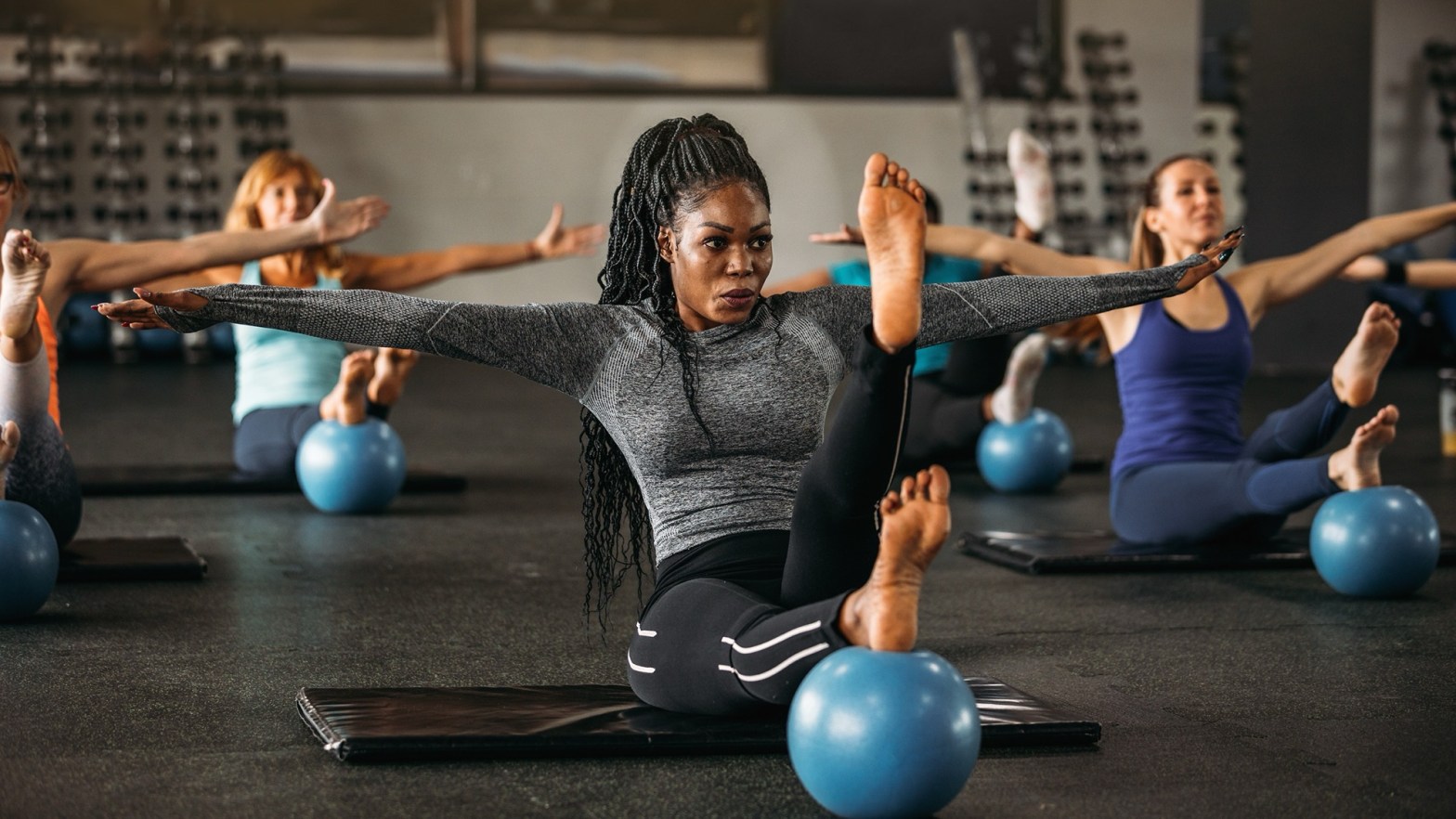
Here’s a solid, simple, effective leg day workout you can do at almost any gym. It hits quads, hamstrings, glutes, and calves — and gives you that good burn without being complicated:

🔥 Leg Day Workout (Beginner–Intermediate)
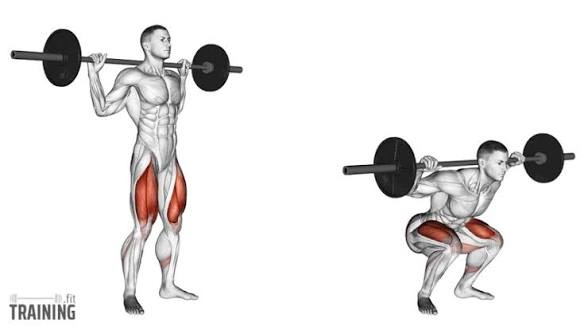
1. Squats – 4 sets x 8–10 reps

Barbell back squat or goblet squat.

Focus: depth, control, drive through heels.
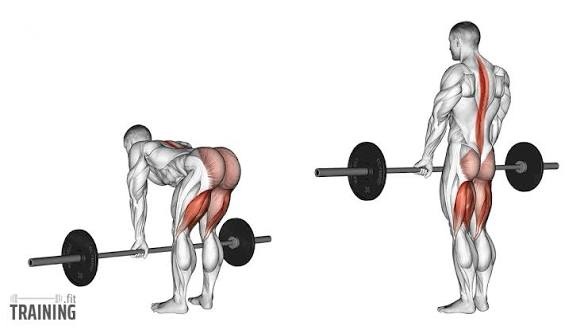
2. Romanian Deadlifts – 4 sets x 8–10 reps

Slight knee bend, hinge at the hips.

Focus: stretch the hamstrings.
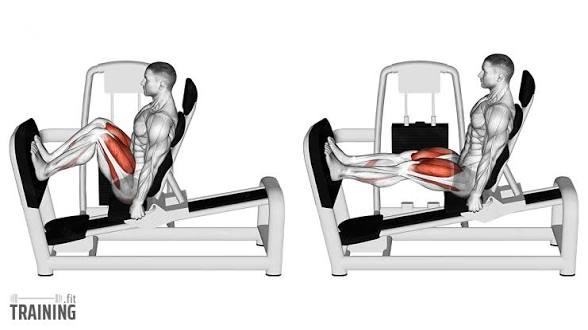
3. Leg Press – 3 sets x 10–12 reps

Feet shoulder-width.

Focus: full range of motion.
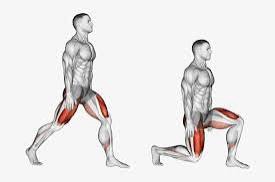
4. Walking Lunges – 3 sets x 12 steps each leg

Dumbbells optional.

Focus: long strides, stay upright.
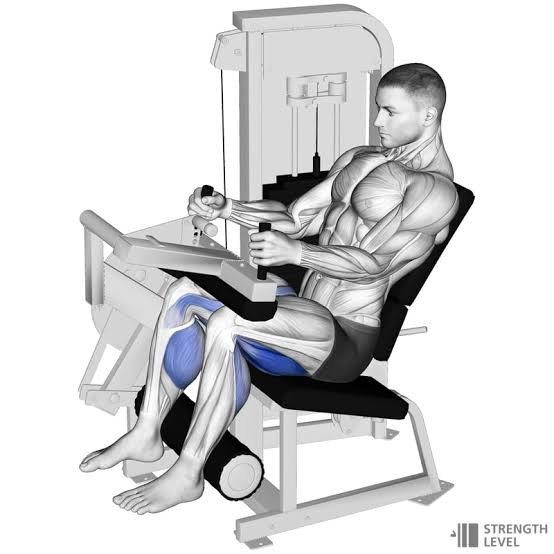
5. Leg Curls – 3 sets x 12–15 reps

Focus: squeeze at the top.
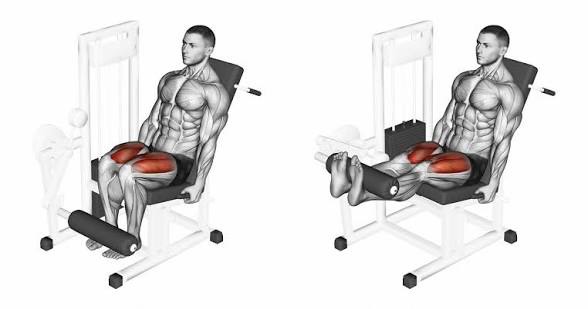
6. Leg Extensions – 3 sets x 12–15 reps

Focus: slow negative on the way down.
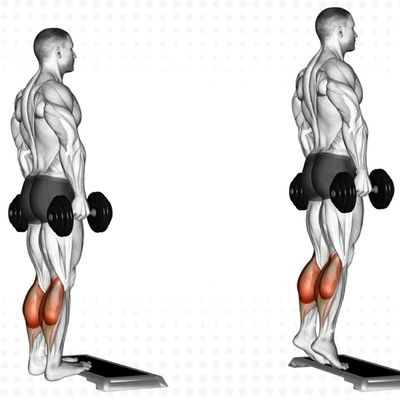
7. Calf Raises – 4 sets x 15–20 reps

Standing or seated.

Focus: pause at the top.

A few thanksgiving fun facts to make you feel a little less bad about all the calories

1. Turkey actually helps your gains.

Turkey is high in protein and contains all essential amino acids, making it a perfect post-workout recovery meal—even if it’s covered in gravy.

2. The average American walks about 5 miles on Thanksgiving… without trying.

Running around cooking, cleaning, hosting, shopping, and socializing racks up steps fast.

Some people get 7,000–10,000 steps just preparing dinner.

3. The Macy’s parade balloons require as many as 90 handlers — basically a workout class.

Each big balloon can weigh over 400 lbs, and keeping it steady is basically a giant full-body isometric exercise.

4. Football on Thanksgiving burns more calories than you’d think.

Even a casual backyard football game can burn 250–400 calories per hour.

Trash-talking burns none, but boosts morale.

5. “Turkey Trot” races are the most popular holiday fitness events in the U.S.

More than 1 million people run a Turkey Trot each year, making it the biggest running day of the year.

6. Mashed potatoes: delicious… and the ultimate carb load.

1 cup has 30+ grams of carbs, which runners jokingly call “Thanksgiving carb loading.”

7. Black Friday shopping counts as cardio.

The average shopper walks 2–3 miles, carries bags, dodges people, and sometimes sprints for deals.

Basically: retail HIIT.

What’s New in Gut Health Research

A major 2025 study published in Nature expanded our knowledge of the human gut microbiome by sampling across Africa. The project produced genomes of 1,005 bacterial and more than 40,000 viral species previously unknown to science. 

Why it matters: until now, most microbiome studies focused on Western populations. This broader sampling helps researchers see a more complete, global picture — which may lead to more effective, globally relevant treatments and diets. 

Read more

“Here are the TOP 5 BEST ways to recover after a workout — if you want less soreness and more gains, listen up.”

Number 1: Sleep.

This is the cheat code nobody talks about. Your muscles repair when you sleep, not when you train. Aim for 7–9 hours — your strength, mood, and recovery will go way up.

Number 2: Hydrate.

Most people think they’re tired from the workout… they’re actually just dehydrated. Drink water, and if you sweat a lot, add electrolytes. Your body can’t recover without them.

Number 3: Protein AND carbs.

Not one… both.Protein repairs your muscles. Carbs refill your energy tank. Simple meals: eggs & toast, chicken & rice, Greek yogurt with fruit, or a protein smoothie.

Number 4: Active recovery.

Don’t just sit around being sore — move a little. A walk, light stretching, yoga, or even 10 minutes of cycling keeps blood flowing and reduces stiffness.

Number 5: Heat or Ice.

Ice is great for when you’re super sore or inflamed. Heat helps relax tight muscles and improve blood flow. Hot shower, heating pad, or sauna — choose what your body responds to best.

“Follow these five steps and I promise your recovery will be smoother, faster, and way less painful. If you want a part 2 or a specific recovery routine, let me know!”

A graded personalized exercise program’s effect on muscle and body fat: randomized controlled trial

Researchers studied 71 adults aged 40–69 and compared a personalized exercise program to a control group.

The personalized plan adjusted workouts based on each person’s age, fitness level, and activity history. Over the course of the program, researchers measured changes in muscle mass and body fat.

The results were clear:

Participants following the tailored exercise program gained more muscle and lost more body fat than those in the control group.

Bottom line:

Personalized exercise routines are more effective than generic, one-size-fits-all workouts—especially for middle-aged adults who have different fitness needs and starting points.

Read more

Effects of aerobic training on cardiopulmonary fitness in patients with long COVID-19

A 2024 study found that people with long COVID improved their heart and lung fitness by doing regular aerobic exercise.

Participants who followed an aerobic training program saw significantly better improvements than those who didn’t exercise.

Bottom line: Even for people dealing with long-term COVID symptoms, structured aerobic workouts can help rebuild energy, stamina, and overall fitness.

Read More